
Check to see if we have a Member Organization in your area
Stay in Touch. Join our Mailing List.
Need additional information? Visit our Website.
Tools for Schools: Epillepsy Alliance America
Check out the Tools and Resources available to help ensure Seizure Safety in your Schools
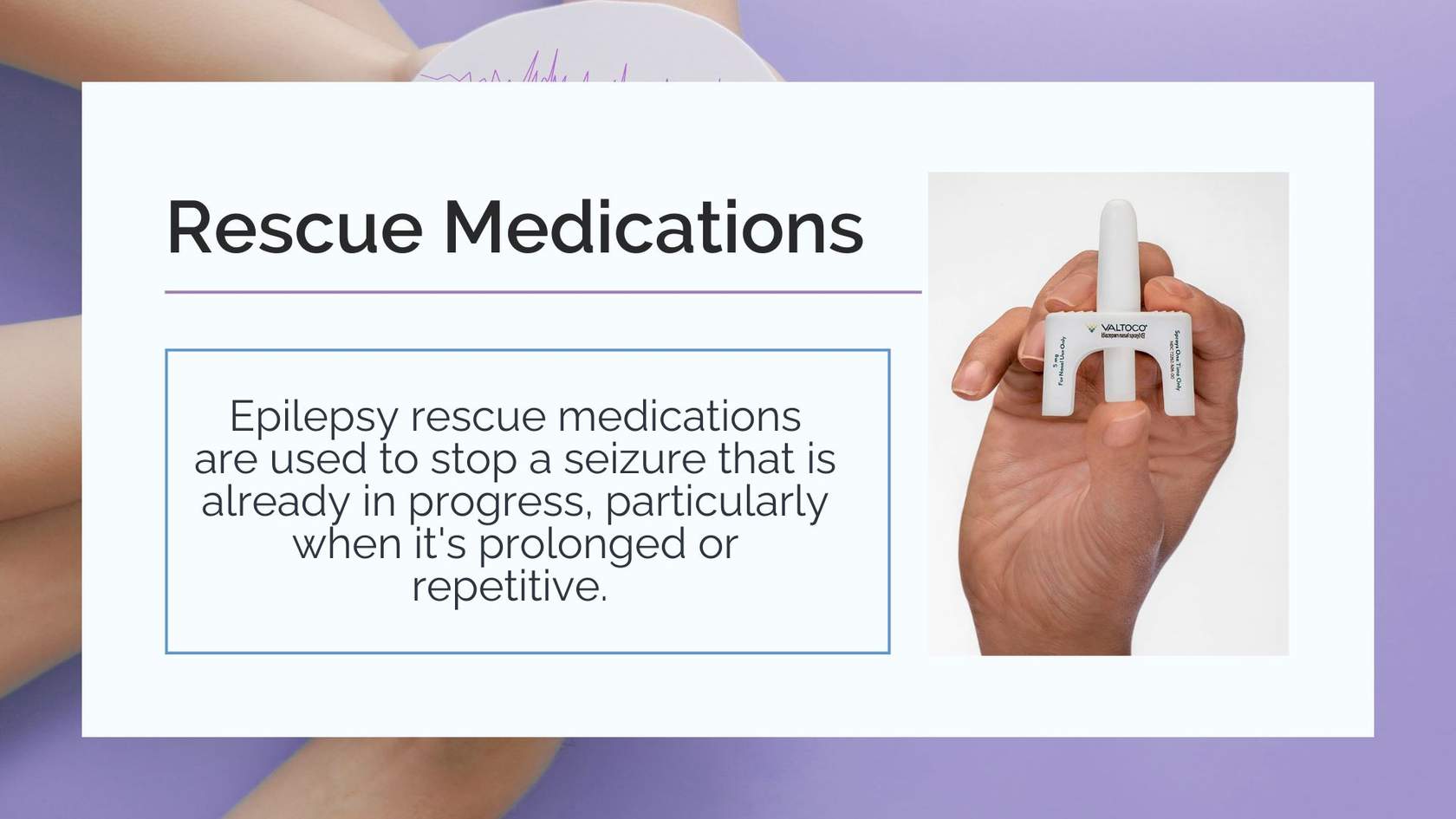
Rescue Medications
Rescue medications can be an essential part of a Seizure Action Plan and are given to the person having the seizure. Rescue Medications are NOT used as a daily seizure medicine or in place of daily seizure medicines. Check out the Rescue Medication Administration Videos - available in both English and Spanish

On Demand Seizure Recognition and Response Training
This training is for school personnel - teachers, aides, school nurses, bus drivers, coaches, administrators, and all other individuals who work in the school setting. It provides basic information about epilepsy, seizures, and how epilepsy can affect a student's learning. Most importantly, it highlights the importance of having a Seizure Action Plan for those students diagnosed with epilepsy and describes what you should do if a student has a seizure.
The training will take approximately 45 minutes to complete.

CVI and Epilepsy
Cerebral/cortical visual impairment (CVI) is a brain-based visual impairment. With CVI, there’s damage to the visual pathways or visual processing areas of the brain.
Epilepsy is when groups of nerve cells (neurons) in the brain cause seizures when they send the wrong electrical and chemical signals. Both CVI and epilepsy are brain conditions and often caused by birth complications and genetic conditions.
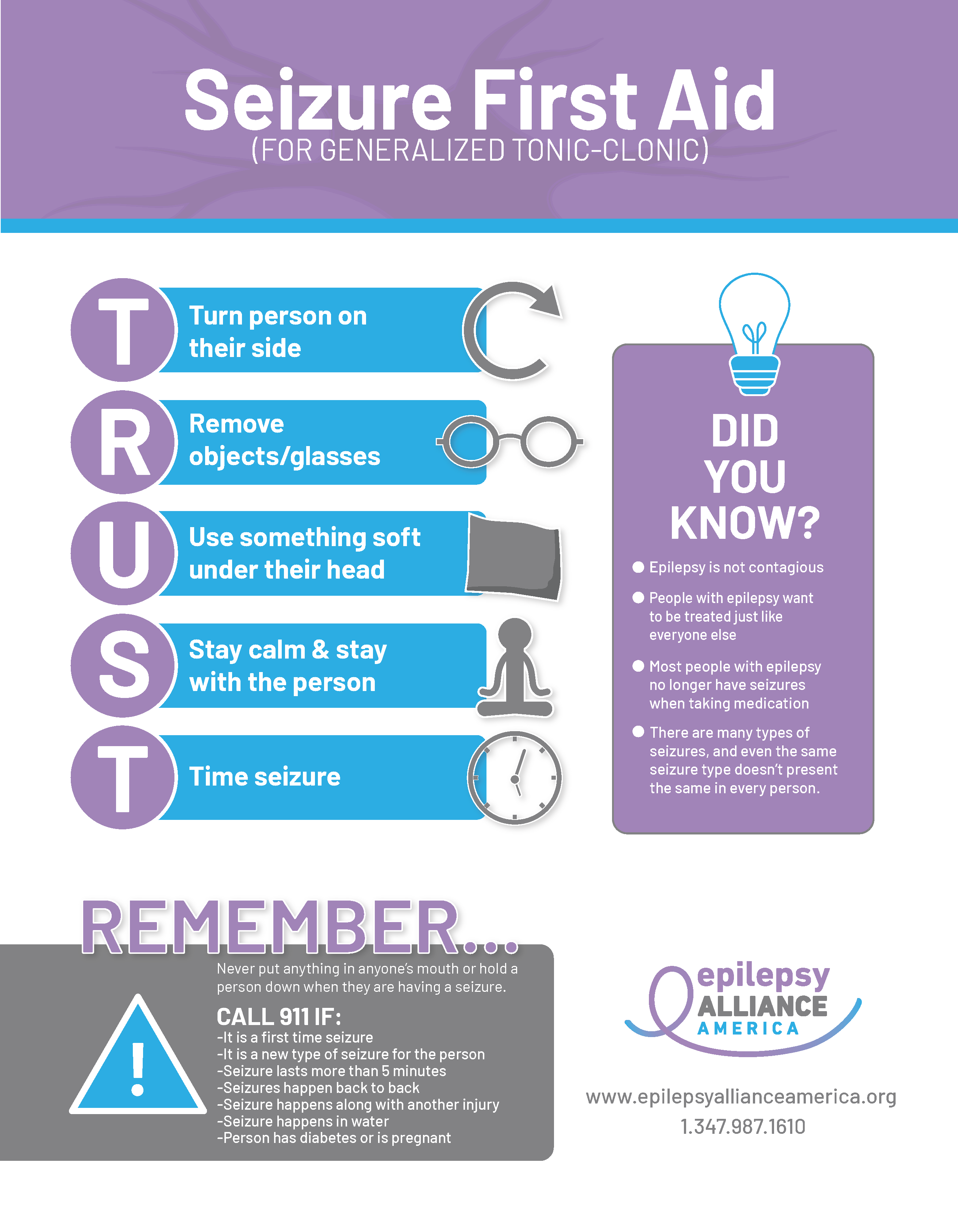
Signage - Seizure First Aid
Print out these Seizure First Aid posters, available in English and Spanish, for your classrooms and other important school locations.
TRUST Poster - English
TRUST Poster - Spanish
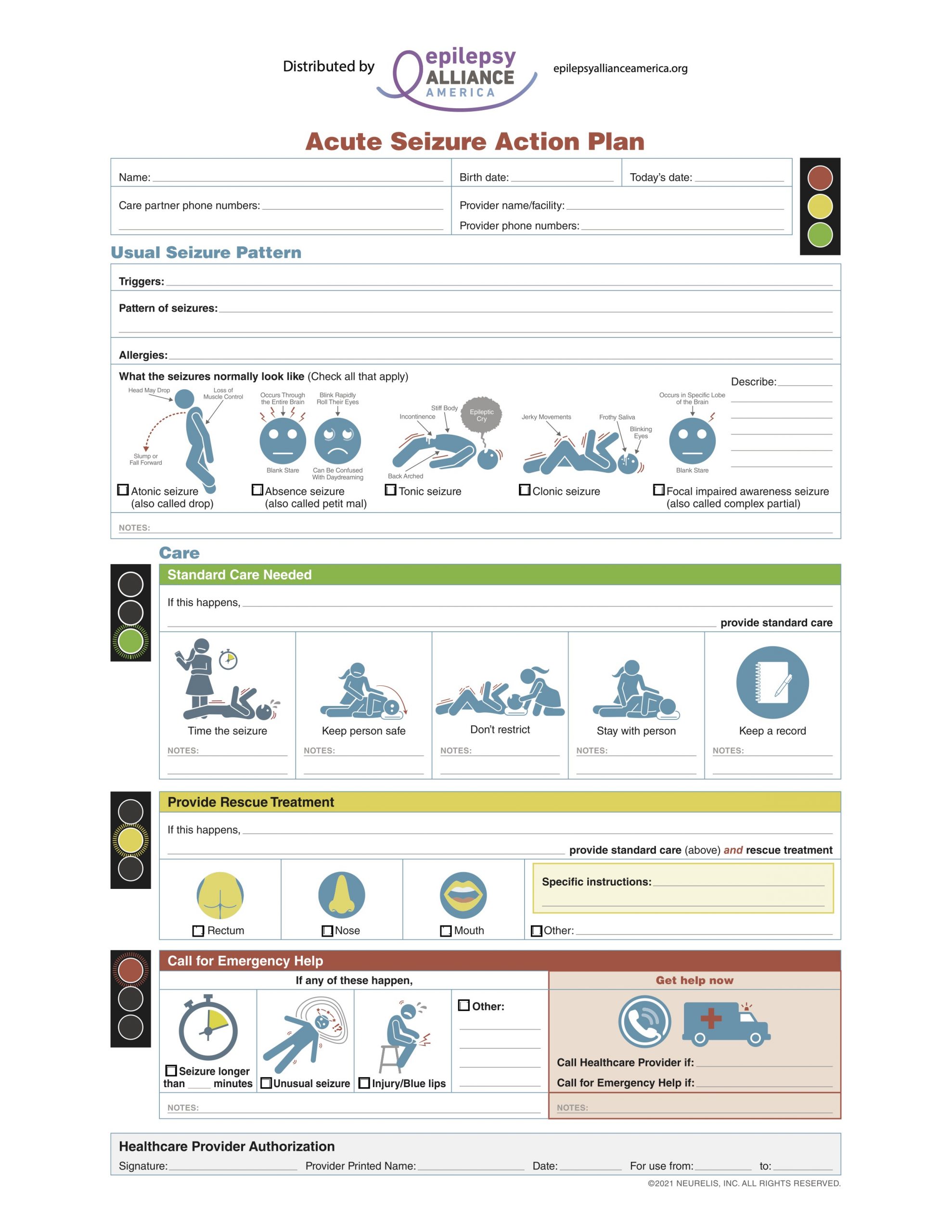
Seizure Action Plans
Seizure Action Plans provide detailed guidelines on how to respond during a seizure. They are specific for the person with epilepsy. You can download a fillable Seizure Action Plan, in English or Spanish, and learn more about these important documents.
Learn more about Seizure Action Plans here.
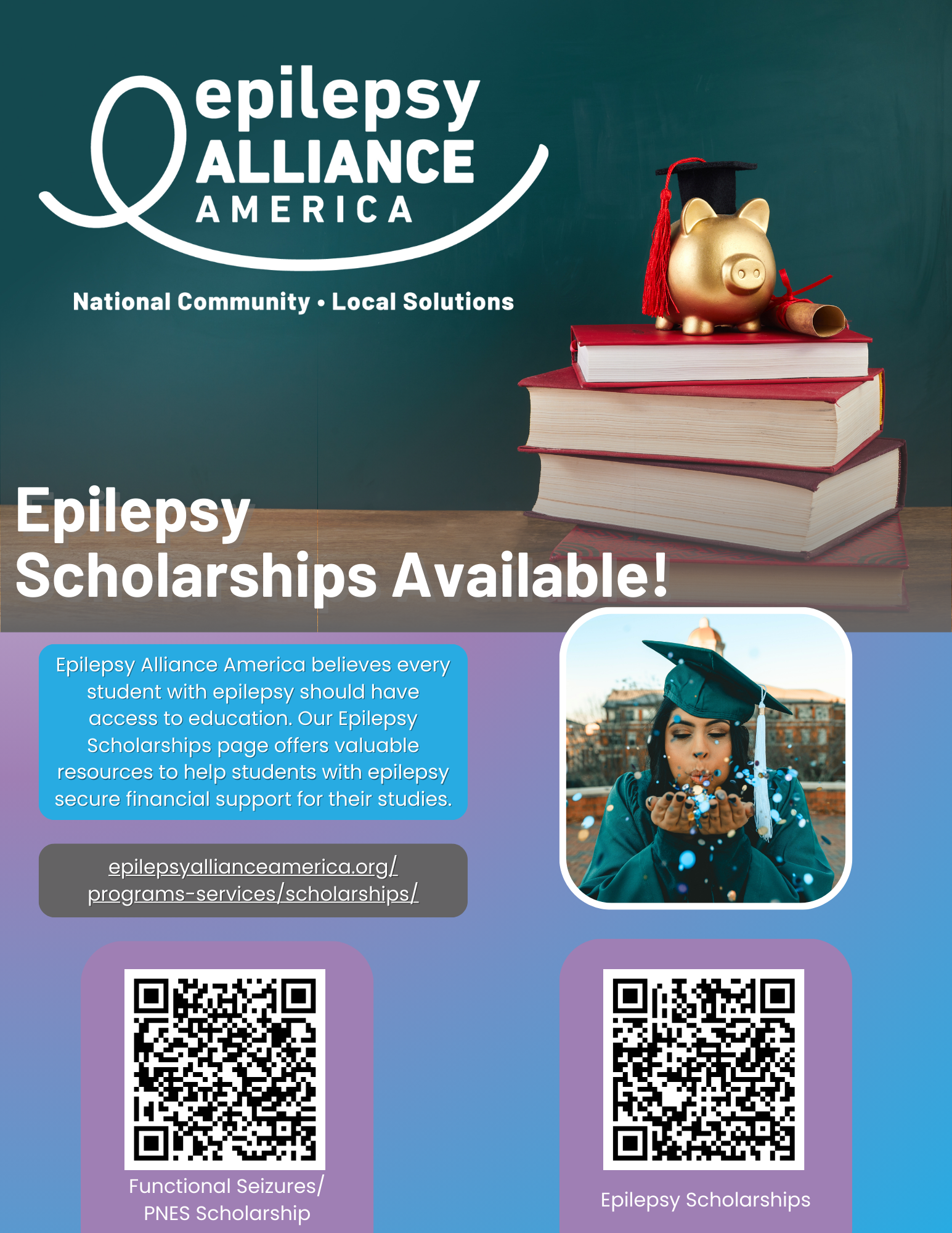
Scholarships
There are many scholarship opportunities for students with an epilepsy diagnosis for post-high school studies. Check out some of the options available and share with your students today.
Scholarships - Students with Epilepsy
Scholarships - Students with PNES
Video - Seizure Recognition and Response Training
Watch this Seizure Recognition and Response Training, led by Jason Raether, MSN, RN, a dedicated school nurse and a person living with epilepsy. His dual perspective brings both professional expertise and lived experience, making this session especially meaningful for caregivers, educators, and anyone who wants to be prepared to help.
Seizure Action Plan Coalition
The Seizure Action Plan Coalition is made up of more than 85 organizations. Check out the posters, Seizure Action Plans and other tools and resources available at http://www.seizureactionplans.org.
The Seizure Action Plan Coalition is managed by Epilepsy Alliance America.

School Nurse's Guide o ADHD / Childhood Absence Epilepsy Overlap
Learn more about why that 'daydreaming' student might have epilepsy.
NASN Resources: Coordinated Support System for Students with Epilepsy (CSSSE)
Epilepsy Alliance America has been proud to be part of the advisory committee of the Coordinated Support System for Students with Epilepsy (CSSE)
Children spend a significant amount of time in school. Schools present an opportunity to support students with epilepsy to increase their self-management, address physical and social needs, and provide training needed to help them progress through school and into adulthood. School nurses play a critical role in ensuring that students with epilepsy are safe in school by providing chronic disease management, educating the school community on seizure safety, and bridging the gap between the school, students, and underutilized community-based services. NASN’s Coordinated Support System for Students with Epilepsy (CSSSE) program will increase the capacity of school nurses to serve as the linchpin that binds the work together and coordinates efforts to support the needs of students with epilepsy during school and as they transition out of high school.
Here are links to the materials from the program.
Coordinated Support System for Students with Epilepsy (eManual)
Mental Health Toolkit for School Nurses Caring for Students with Epilepsy
School Nursing Evidence-Based Clinical Practice Guideline: Students with Seizures and Epilepsy
Supporting Students with Epilepsy: A Transition Toolkit for School Nurses
Enduring Online Programs
Mental Health Toolkit for School Nurses Caring for Students with Epilepsy: Application to Practice
Epilepsy Care Considerations for School Nurses: Stigma and Sudden Unexplained Death in Epilepsy (SUDEP)
Incorporating Multi-Tiered System of Support into School Health Services to Promote Health Equity
Rare Seizure Disorders: Practice Considerations for School Nurses
School Nurse Epilepsy Clinical Practice Guidelines and Toolkit Training
Transition for Students with Epilepsy: The Role of the School Nurse Panel Presentation
For additional information visit: https://www.nasn.org/nasn-resources/resources-by-topic/epilepsy